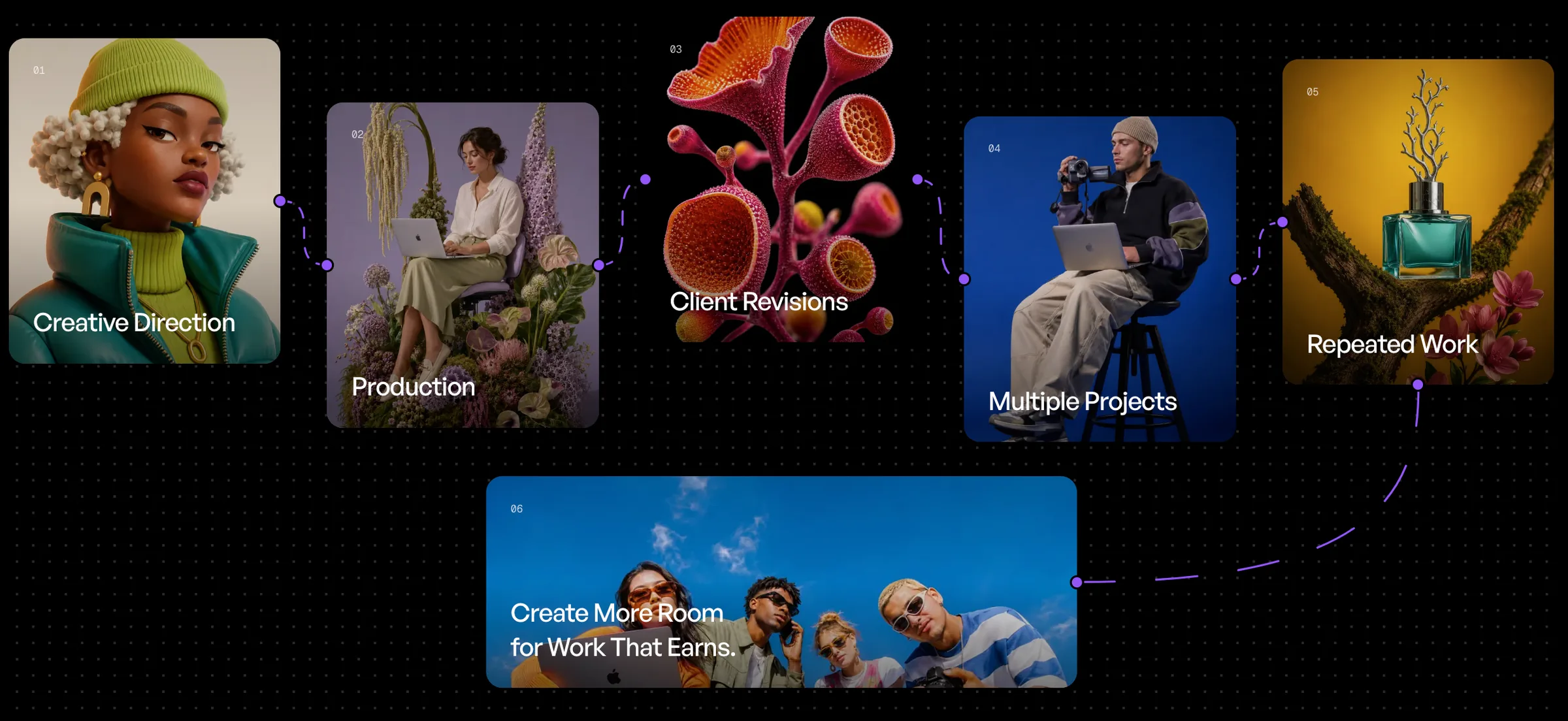
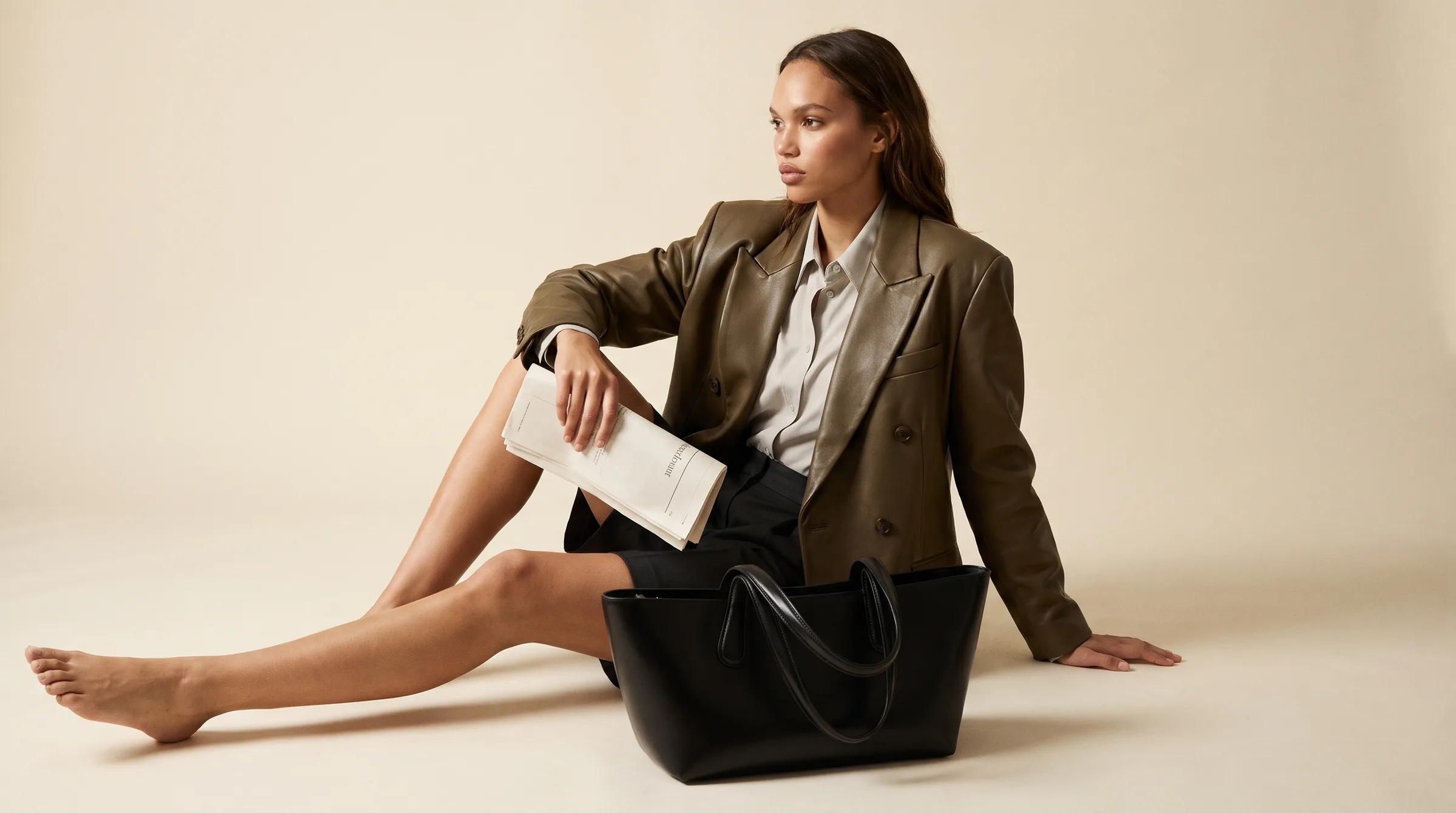
Imagine you're running a fashion brand with 1,000 products. Or perhaps you're a freelance creative preparing a product campaign, or part of a marketing team responsible for producing hundreds of images for an upcoming collection.
New products are arriving. Existing collections need updated photography. Your e-commerce website requires fresh product images, while your marketing team is preparing seasonal campaigns, social media content, and promotional materials.
Now multiply that work across hundreds of SKUs, different colors, multiple formats, and several campaign concepts.
The challenge isn't necessarily knowing what your brand should look like. It's producing everything needed to bring that creative vision to life.
The more products a brand manages, the more complicated visual content production becomes.
AI image generation has made creating individual images easier than ever. But producing one impressive image and managing photography for an entire product catalog are two very different challenges.
Creating images individually, repeating prompts, adjusting settings, maintaining visual consistency, and organizing outputs can quickly become another time-consuming process.
At AgentDocks, we're approaching this differently.
Rather than simply giving businesses access to AI image generation models, we're building a platform where brands can automate creative production through connected, reusable AI workflows.
From One Product Image to a Complete Fashion Campaign
Let's look at a practical example created using AgentDocks.
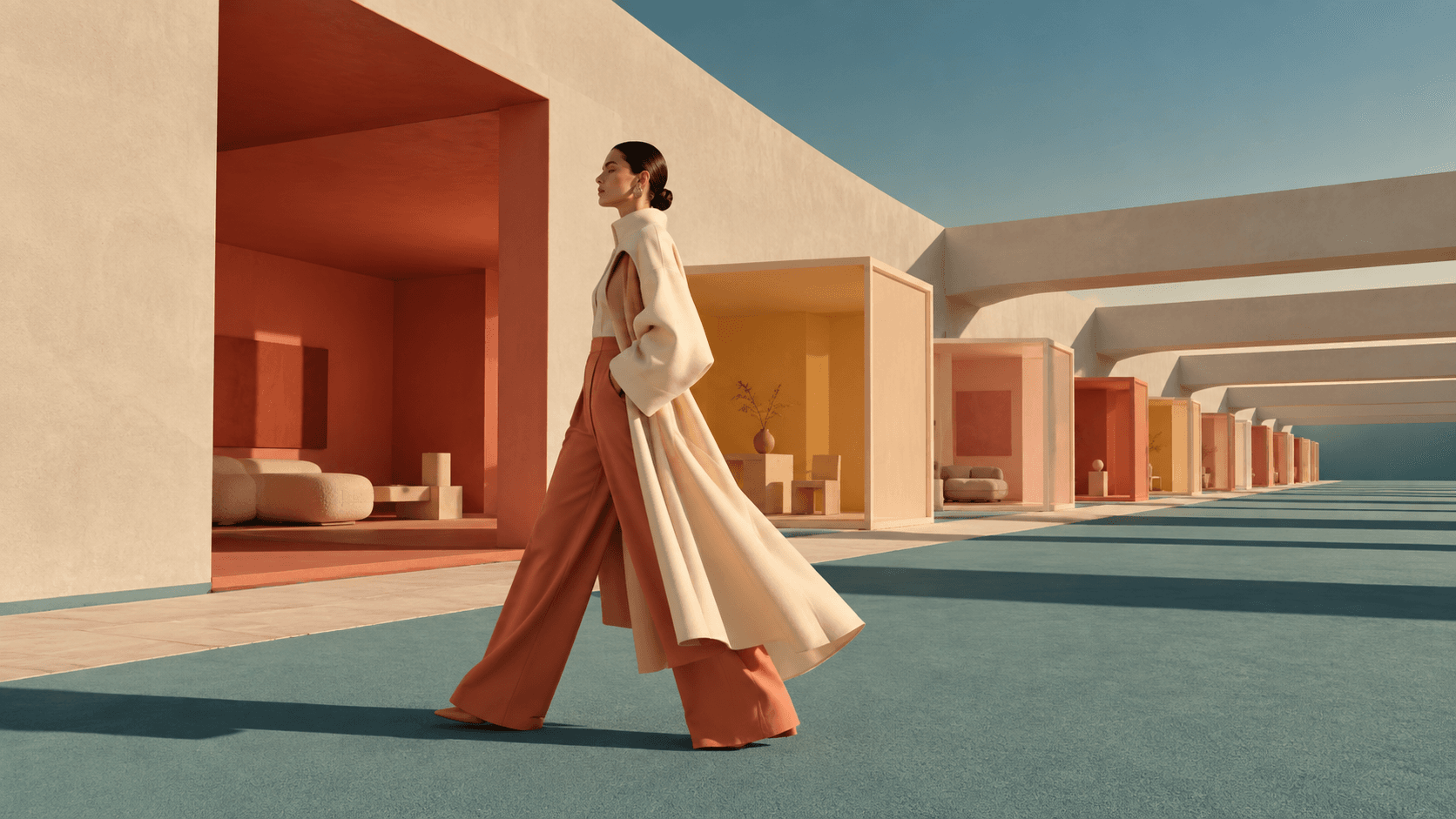
We developed a ready-to-use handbag editorial workflow designed to transform a simple product photograph into multiple high-quality fashion campaign visuals.
The concept is straightforward: upload a handbag image, run the prepared workflow, and generate a collection of creative outputs following a predefined photographic direction.
Instead of manually generating each image, the workflow connects several AI generation steps, each serving a different creative purpose.
For example, the workflow can produce:
- Editorial product photography: Premium fashion imagery with controlled lighting, styling, and composition.
- On-model handbag photography: Lifestyle and editorial portraits featuring a model carrying or interacting with the product.
- Still-life compositions: Carefully arranged product photographs highlighting shape, materials, and design details.
- Product close-ups: Detailed images focused on the handbag's texture, structure, and craftsmanship.
- Campaign variations: Additional scenes and compositions following the same overarching creative direction.
The prompts, generation models, creative settings, and node connections are already prepared.
The user only needs to provide the product image and run the workflow.
One product input. Multiple campaign images. One connected creative production process.
See the Handbag Editorial Workflow in Action

What makes this approach valuable isn't only the quality of the images.
It's the fact that the process can be reused.
Imagine a handbag brand releasing 20 new designs. Instead of rebuilding the same photography setup for each product, the team can return to the workflow, replace the inputs, and generate new imagery using the established creative direction.
The same process can be adapted for future collections, different product categories, or seasonal campaigns.
This is the difference between generating individual assets and building a reusable creative production system.
How Batch Run Automates Product Photography at Scale
For e-commerce brands managing hundreds or thousands of SKUs, visual content production is an ongoing operational requirement.
Every product launch, collection update, and marketing campaign introduces new photography needs.
Traditionally, increasing creative output often requires additional production time, coordination, and resources.
With AgentDocks Batch Run, brands can approach high-volume product photography differently.
Batch Run allows users to apply an existing AI workflow across multiple product images automatically, rather than generating each one manually.
The workflow is developed once, tested, and then reused across an entire collection.
How Batch Run Works
The process follows six straightforward steps:
- Prepare your product images. Collect the photographs you want to process, whether they're clothing items, handbags, skincare products, or other merchandise.
- Select or build a workflow. Choose an existing creative workflow or develop one that matches your brand's photography requirements.
- Upload images through Image Bulk. Add up to 50 product photographs to the batch input.
- Connect Batch Run. Configure the workflow to process each uploaded image through the same predefined generation steps.
- Run the production. AgentDocks executes the connected workflow for each product, while displaying progress as results are generated.
- Review and download the outputs. Collect the generated visuals through Bulk Output and review them before publication.
For a catalog containing 1,000 SKUs, teams can reuse the same workflow across successive batches without recreating the production setup for every product.
The workflow can also incorporate additional production steps, such as image editing, color correction, upscaling, and resizing.
This makes Batch Run useful for more than generating images in bulk. It helps automate the repetitive work involved in preparing an entire product collection.
See Batch Run in Action


Why This Matters for Large Product Catalogs
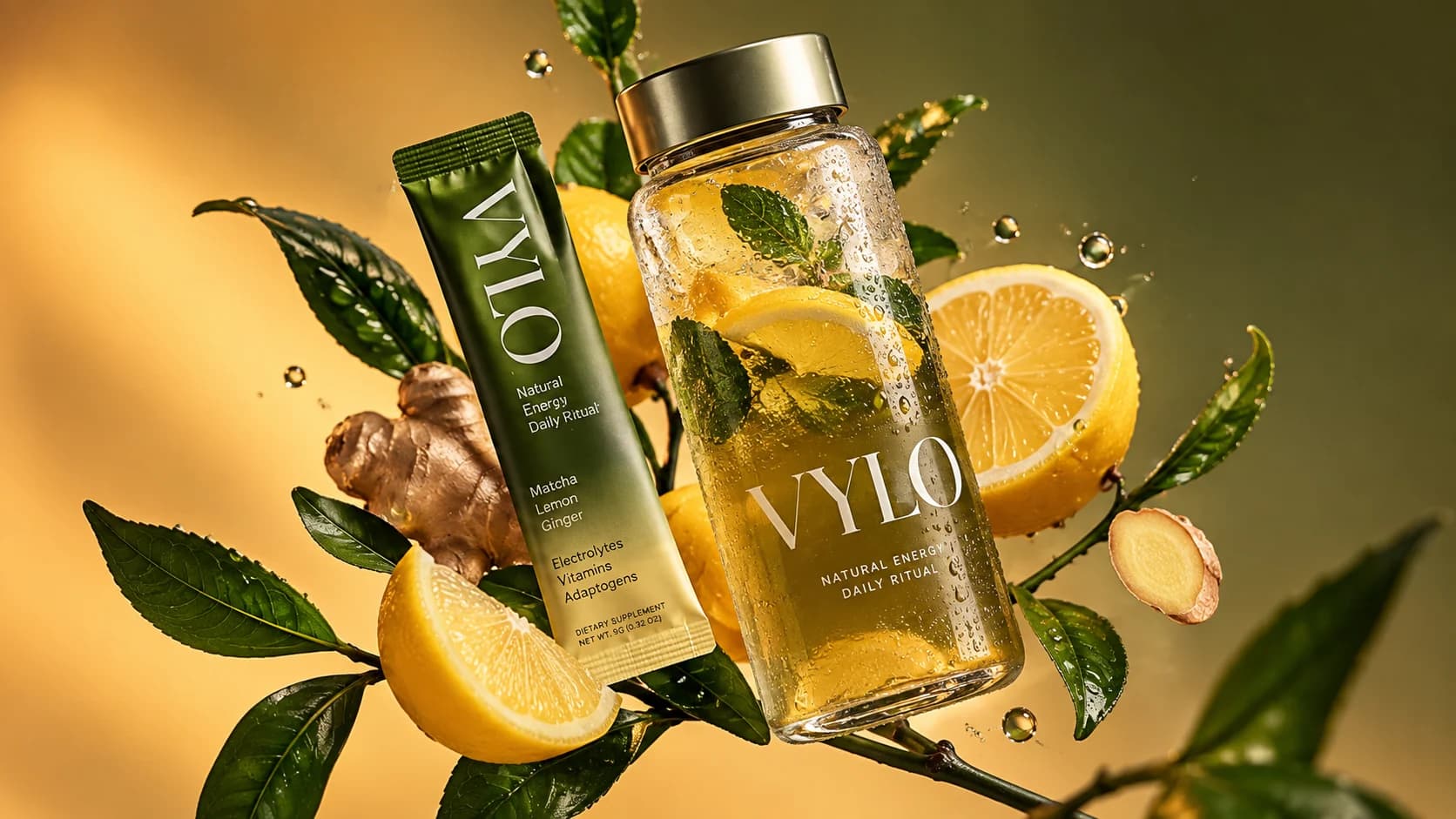
Consider a skincare brand preparing photography for 200 different products.
The collection includes cleansers, serums, moisturizers, and treatment products. Each item has different packaging, but the brand wants a consistent photographic identity.
Rather than developing a separate production setup for each SKU, the team can establish one creative direction and apply it across the collection.
The same approach works for fashion retailers producing on-model clothing imagery, accessories brands creating seasonal campaigns, or e-commerce businesses updating product listings.
The main benefits include:
- Reduced repetitive setup: Teams don't need to manually recreate the same generation process for every product.
- Consistent creative direction: Shared prompts, models, and settings help maintain a recognizable visual style.
- Faster campaign preparation: New products can move through established workflows without starting from scratch.
- Reusable production systems: Successful workflows can be saved, adjusted, and reused for future collections.
- Greater production flexibility: Teams can test new creative concepts without rebuilding every part of the process.
AI-generated imagery still requires human review, especially when accurate packaging, product proportions, materials, and branding matter.
But automating repetitive tasks allows creative teams to spend more time refining their work rather than repeatedly setting it up.
Ready-Made AI Workflow Templates or Custom Production Solutions
Not every brand has the same requirements.
Some businesses want to begin creating content immediately. Others need a production system tailored to their visual identity, internal processes, and product catalog.
That's why AgentDocks supports both approaches.
Start With Ready-to-Use Workflow Templates
Our growing library of workflow templates offers prepared creative setups for different types of commercial content.
These include fashion editorials, ecommerce photography, skincare campaigns, jewelry photography, lifestyle imagery, and seasonal promotional content.
Instead of building the entire generation process, brands can choose a workflow, upload their products, and begin producing images.
The underlying prompts and settings remain editable, allowing teams to adjust the visual direction to suit their brand.
Explore our Fashion & Apparel AI Solutions to see how ready-made workflows can support collection launches, product photography, and fashion campaigns.
Custom AI Workflows Built for Your Brand
For businesses with more complex production requirements, we also offer customized workflow development.
A brand may need a very specific photographic style, consistent model identities, predefined output formats, or automation tailored to its existing operations.
Through a one-on-one engagement with our team, we can understand those requirements and develop a workflow designed around the business.
This gives brands access to a repeatable AI production process without requiring their internal teams to build every technical connection themselves.
The goal is to create a system that continues delivering value beyond a single campaign.
Automate Creative Workflows Directly Through Telegram
Creative automation becomes even more practical when teams can run established workflows without opening the production editor.
AgentDocks supports Telegram integration, allowing users to connect a Telegram chat to an existing workflow.
Once configured, the workflow can receive inputs, execute its connected generation steps, and return results directly to the conversation.
For example, imagine a fashion brand receiving a new handbag product that needs promotional photography.
A product manager can submit the handbag photograph through Telegram, trigger the connected workflow, and receive generated visuals back in the same chat.
The production process has already been prepared. The user simply supplies the new input.
How Telegram Workflow Automation Works
- Connect Telegram to AgentDocks. Configure a Telegram Trigger node and pair the chat with the workflow.
- Submit your product image. Send the photograph through Telegram using the configured trigger command.
- Trigger the creative workflow. AgentDocks processes the input through its connected AI generation and production nodes.
- Receive the generated results. A configured Telegram Send node delivers the completed outputs back to the conversation.
See Telegram Automation in Action


This creates a simpler way for brand managers, marketing teams, and creators to access production workflows that have already been developed.
And Telegram is only one of the available automation methods. AgentDocks also supports scheduled workflow execution and trigger-based automation for recurring creative tasks.
Discover more about AgentDocks Automation and Triggers.
Why AI Product Photography Automation Matters for Brands
The business value of AI-powered creative production goes beyond generating images faster.
For brands managing large product catalogs, the bigger opportunity is reducing the operational work required to produce consistent visual content.
A single image generator can help create one asset.
A connected creative workflow can define how an entire collection of assets is produced.
That distinction matters when teams are handling recurring product launches, campaign updates, ecommerce photography, and marketing content across multiple channels.
Instead of repeating the same technical setup, teams can focus on the decisions that make the work valuable: creative direction, brand identity, visual quality, and final approval.
We don't see AI automation as a replacement for creative professionals.
We see it as a way to make their production processes more efficient, accessible, and scalable.
A brand with 1,000 products shouldn't have to start the creative process from zero 1,000 times.
Build a Smarter Creative Production Process With AgentDocks
As AI image generation continues to evolve, businesses have an opportunity to rethink how they organize and scale creative production.
With AgentDocks, a single product photograph can become a collection of campaign images. A successful creative workflow can be reused across an entire catalog. And established production processes can be automated through Batch Run, scheduled triggers, or integrations such as Telegram.
Brands can begin with ready-made workflow templates or work directly with our team to develop customized production solutions.
Because the goal isn't simply to generate more content.
It's to build smarter, repeatable systems for producing high-quality creative work.
Explore AgentDocks, discover our Fashion & Apparel solutions, or connect with our team to discuss a custom AI workflow built around your brand.